More About Spin The Wheel - Earn Money (Apk)
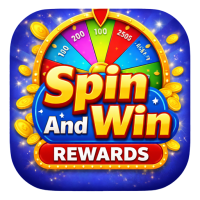
Spin The Wheel - Earn Money Android App
A Spin The Wheel - Earn Money Android App sits at the crossroads of gaming, rewards, and mobile monetization. It looks simple on the surface: a user opens the app, spins a colorful wheel, and wins coins, coupons, points, cashback, or some other type of reward. But behind that simple motion is a full business model built on engagement, ad revenue, retention loops, and trust.
That is exactly why this app category keeps attracting new developers. It is easy to understand, quick to use, and highly shareable. Users love the thrill of chance. Developers love the chance to turn frequent visits into revenue. Still, success does not come from a flashy wheel alone. A winning app must feel fair, comply with Android and Play requirements, protect user data, and offer rewards that feel real rather than vague.
Google’s Android and Play documentation makes that pretty clear. Developers who sell digital goods need to integrate Play Billing properly, while apps that collect analytics or performance data commonly use Firebase tooling to understand behavior and improve stability. Google also continues to update Play policies around payments, user data, and platform compliance, so long-term success depends on staying policy-aware, not just growth-hungry.
In this guide, we will break down how a Spin The Wheel - Earn Money Android App works, what features matter most, how to monetize responsibly, how to keep users engaged, and how to grow without damaging trust. Whether you are a developer, app founder, marketer, or publisher, this roadmap will help you build a better product.
What Makes a Spin and Earn App So Popular?
Spin apps are popular because they deliver fast emotional feedback. A user taps once, the wheel turns, and something happens. That short loop feels satisfying. There is suspense, anticipation, and an instant outcome. In mobile design, that is gold.
Another reason is low learning friction. You do not need a tutorial that runs forever. You do not need complicated controls. A spin app can explain itself in seconds. That makes it attractive to broad audiences, especially casual users who want lightweight entertainment on short breaks.
The reward angle also matters. Even a small virtual reward can feel meaningful when it is tied to progression. Daily spins, streak bonuses, lucky events, and referral perks create a routine. This is where the app shifts from a novelty into a habit. When habit forms, retention improves. When retention improves, monetization becomes much easier.
That said, popularity only lasts when the app feels honest. If users think the app is rigged, overloaded with ads, or impossible to redeem from, they leave fast. So the secret is not just excitement. It is excitement plus credibility.
How the Spin The Wheel - Earn Money Android App Model Works
Most apps in this category use a layered reward structure. The first layer is the visible wheel. It shows possible outcomes such as coins, gems, points, bonus spins, or cash-equivalent credits. The second layer is the wallet system, where rewards are stored. The third layer is the redemption path, where users trade those rewards for something valuable.
The value can be structured in several ways:
-
virtual points for in-app progression
-
cashback-style balance
-
gift-card-like redemptions
-
premium unlock tokens
-
referral bonuses
-
event-based prizes
The smartest apps avoid making rewards feel fake. They make the path clear. For example, a user may need 10,000 points for a redemption threshold. The app should show that clearly, explain how points are earned, and display a history of spins and redemptions.
Free spins are the engine of daily engagement. Many apps also add streak systems, where logging in for seven days gives a bigger spin or a higher-value prize pool. That helps create repeat sessions without making the app feel demanding.
A strong model also separates gameplay rewards from paid boosts. This matters because monetization should feel optional and additive, not coercive.
Core Features Every Successful Android Spin App Needs
Wheel mechanics and prize logic
The wheel itself must feel smooth, fair, and visually rewarding. That means:
-
clean animation
-
clear segment labels
-
satisfying sound and haptic feedback
-
obvious result confirmation
-
no lag during spin resolution
Prize logic must also be well managed. The app should know how often certain rewards appear, how bonus events are triggered, and how users move from casual engagement to high-value activity.
Wallet, redemption, and transaction history
A simple wallet page is non-negotiable. Users want to know:
-
what they earned
-
when they earned it
-
how much they need to redeem
-
whether a payout is pending, approved, or completed
Without this, the whole app feels suspicious.
Notifications, referrals, and event campaigns
Push notifications can bring users back when used carefully. Good examples include:
-
your daily spin is ready
-
weekend mega wheel is live
-
complete one more spin to keep your streak
-
invite a friend and unlock a bonus ticket
Referral systems often work especially well in this niche because the concept is easy to explain. A friend does not need a long pitch. “Download, spin, and earn rewards” is short and memorable.
Best Monetization Methods for a Spin App
A spin app must earn money in a way that does not destroy the user experience. This is where many apps fail. They chase short-term ad impressions and accidentally hurt long-term retention.
Rewarded ads and interstitial strategy
Rewarded ads are often the cleanest fit. Google’s Android codelab support for rewarded video ad integration reflects how this format can be used in app experiences where a user chooses to watch in exchange for a benefit.
In practice, that means a user might watch a video to:
-
unlock one extra spin
-
double a prize
-
open a bonus chest
-
skip a cooldown timer
This feels fair because the value exchange is visible.
Interstitial ads can also work, but only in moderation. If they appear too often, users feel trapped. The best pattern is to place them between meaningful sessions, not during high-excitement moments.
In-app purchases and premium boosts
If you sell digital upgrades, Google’s Play Billing guidance applies. Billing integration is the official route for digital product sales in Android apps distributed through Google Play.
Good purchase ideas include:
-
ad-free mode
-
premium spin packs
-
seasonal wheel access
-
VIP multipliers
-
cosmetic themes
These options should enhance the experience, not lock basic fairness behind a paywall.
Offerwalls, partnerships, and affiliate earnings
Some apps also use offerwalls or partner campaigns. These can increase revenue, but quality control matters. Low-trust offers can damage your brand quickly. Keep the reward terms clear and avoid anything that looks deceptive.
Building Trust: Fairness, Transparency, and User Safety
Trust is the real currency in a reward app. Without it, downloads mean very little.
Start with transparent rules. Explain how spins are earned. Explain what each reward means. Explain when payouts happen. Explain whether there are caps, cooldowns, or verification checks. The more visible the rules are, the safer the app feels.
Then address fairness. Users do not expect to win huge rewards every time, but they do expect consistency. If the app says “earn money,” the path to value must be understandable. Do not exaggerate likely outcomes. Do not imply guaranteed income when the app is really a casual reward platform.
Security is another pillar. If your app handles financial or payment-related data, Google Play policy requires careful handling, and public disclosure of sensitive financial or payment data is not allowed.
That means you should:
-
collect only the data you need
-
secure payment information properly
-
provide a privacy policy
-
make support easy to reach
-
show payout statuses clearly
When users trust the process, they are much more likely to stay active and recommend the app.
Google Play Policy and Android Compliance Basics
This part may not sound glamorous, but it is essential.
Apps on Google Play operate within a changing policy environment. Google has published recent Play Console policy announcements and updates around developer requirements, linking, billing, and age-related platform changes. Those updates show one thing clearly: developers need to monitor official policy pages rather than assume old rules still apply.
For a spin app, the biggest compliance areas are usually:
-
ads behavior
-
payment flows
-
data privacy
-
misleading claims
-
age-appropriate experiences
If you sell digital content or premium features, follow Play Billing guidance. If you use analytics, configure it transparently. If you collect user behavior data, explain it in your privacy disclosures. Firebase Analytics documentation notes that the SDK can automatically begin collecting data once integrated, which makes configuration and disclosure especially important.
A good place to study official requirements is the Android Developers documentation and the Play policy help center. Those sources should guide product decisions more than guesswork. See the relevant Android and Play guidance here:
UI and UX Design Tips for Better Retention
Design matters more than many founders think. A wheel app is emotional software. It depends on excitement, rhythm, and reward feedback.
Use strong contrast so the wheel is readable. Make the spin button obvious. Add gentle motion, not chaotic motion. Sound should feel pleasant, not cheap or noisy. Haptics can help, too, especially when the wheel slows and lands on a prize.
Onboarding should be quick. Ideally, the user should understand the app in less than a minute. Show:
-
how to get spins
-
what rewards mean
-
how to redeem
-
how to earn more tomorrow
A cluttered home screen hurts conversion. A clean dashboard with current balance, free spin timer, tasks, and wallet history usually performs better.
Gamification Tactics That Increase Daily Active Users
Gamification is not just decoration. It is the engine that keeps users coming back.
Useful mechanics include:
-
daily streaks
-
spin missions
-
achievement badges
-
event ladders
-
lucky hours
-
friend invites
-
comeback rewards for inactive users
These systems give users short-term goals and long-term reasons to stay. For example, a user who misses one day may lose a streak, but a comeback reward can soften that frustration and bring them back.
Leaderboards can work too, but be careful. If the top spots are unreachable, most users stop caring. Use segmented boards, weekly resets, or friend-based comparisons to keep them motivating.
Seasonal themes also help. Holiday wheels, festival bonuses, and limited-time skins can make the same app feel fresh without changing the core loop.
Technical Stack for Android Development
For Android, Kotlin is a strong choice for modern app development. A practical stack for a spin and earn app often includes:
-
Android app built in Kotlin
-
Firebase for analytics and possibly authentication, messaging, and backend support
-
secure server-side reward validation
-
remote config for event tuning
-
crash and performance monitoring
Firebase documentation shows that Analytics can capture behavior data and custom events, while Performance Monitoring helps surface performance issues after SDK setup.
That matters because a spin app needs good event tracking. You want to know:
-
how many spins happen per user
-
which ads lead to reward claims
-
where users drop off
-
how many redemptions complete
-
how event campaigns perform
Server-side checks are important as well. If all reward logic lives only on-device, abuse becomes easier. Fraud prevention should be part of the architecture from the start.
How to Track the Right Metrics
A shiny dashboard is useless if you track the wrong numbers.
The most useful metrics include:
-
Day 1, Day 7, and Day 30 retention
-
average revenue per daily active user
-
number of spins per session
-
rewarded ad completion rate
-
referral conversion rate
-
redemption rate
-
fraud flag rate
-
uninstall rate after ad exposure
Redemption rate is especially important. If users earn rewards but rarely redeem them, one of two things may be happening: either the rewards are not attractive, or the process is too hard.
Analytics also becomes more valuable when paired with custom events. Firebase supports custom event logging, which helps developers track the actions that matter most to their own app flows.
Marketing Strategies to Grow Downloads
A great app still needs visibility.
Start with App Store Optimization. Use clear screenshots, simple value language, and keywords that match what people search for. Screenshots should show the wheel, the reward balance, and the redemption process. Many users decide in seconds whether an app feels real.
Short video marketing works especially well for spin apps because the product is highly visual. A quick clip of a wheel spinning, landing on a prize, and showing a wallet reward can be compelling.
Referral campaigns are another strong channel. Users in this category already understand incentive loops, so referral bonuses fit naturally.
Influencer marketing can work too, but choose creators who are trusted in gaming, savings, coupon, or casual app spaces. The wrong creator can bring installs without retention.
Common Mistakes to Avoid
The first common mistake is overpromising. If the branding says users will make easy income, but the real experience is slow, ad-heavy, and vague, trust disappears.
The second mistake is ad overload. Yes, ads can make money. But too many ads kill session quality and push uninstall rates up.
The third mistake is poor payout communication. Even if your system is legitimate, unclear redemption timelines make people assume the worst.
The fourth mistake is weak support. When rewards are involved, users expect answers. A silent support channel is a reputation problem.
The fifth mistake is ignoring platform compliance. Play policies change, and official guidance exists for a reason. Developers who stay updated are better protected against disruption.
A Practical Launch Plan for New Developers
Here is a smart launch path for a new Spin The Wheel - Earn Money Android App:
MVP checklist
Build only the essentials first:
-
one polished wheel
-
one wallet
-
one redemption flow
-
one rewarded ad loop
-
basic referral support
-
analytics and crash tracking
-
policy pages and support contact
Testing, feedback, and soft launch
Run a soft launch before scaling paid traffic. Watch for:
-
ad fatigue
-
reward confusion
-
suspicious account behavior
-
slow loading
-
payout complaints
-
low Day 1 retention
Use analytics to fix the obvious pain points before trying to grow fast. It is better to improve early than to pay for installs that vanish.
Frequently Asked Questions
1. Is a spin and earn Android app profitable?
Yes, it can be profitable when retention is healthy, ad strategy is balanced, and rewards are structured carefully. Profit usually comes from rewarded ads, premium upgrades, and partner campaigns rather than the wheel alone.
2. Do I need Google Play Billing for this type of app?
If your app sells digital products or premium digital features through Google Play, you should follow the Play Billing integration guidance.
3. What is the best ad format for a spin app?
Rewarded ads are usually the best fit because users clearly understand the value exchange. Interstitial ads can work too, but only when used sparingly.
4. How can I make users trust the app?
Show transparent reward rules, clear redemption thresholds, wallet history, support access, and realistic wording. Fast, visible communication beats hype every time.
5. What tools should I use for analytics?
Firebase is a common choice for Android apps because it supports analytics, event logging, and performance monitoring.
6. How do I stop fraud and abuse?
Use server-side validation, device and account checks, redemption reviews where needed, and anomaly tracking. Fraud prevention should be built into the system, not added later.
7. Can I market this app as a money-making app?
Be careful. Your messaging must be honest and not misleading. It is safer to frame the app around rewards, bonuses, or earning opportunities with clear conditions rather than unrealistic income promises.
8. How often should I update the app?
Regularly. Update for bug fixes, seasonal campaigns, UI improvements, performance optimization, and policy alignment. Official Play policy announcements show that requirements can change, so staying current matters.
A Spin The Wheel - Earn Money Android App can be much more than a flashy casual game. When built well, it becomes a repeat-visit reward platform powered by smart UX, balanced monetization, and user trust. The best apps in this space make spinning fun, rewards understandable, and redemptions believable. They do not rely on hype. They rely on clarity.
That is the real opportunity. Build an app that feels entertaining, fair, and transparent. Use modern Android tools to track behavior and improve performance. Follow Play requirements carefully. Give users a reason to come back tomorrow. Do that, and your app will have a much stronger chance of standing out in a crowded market.









 Games
Games Lifestyle & Entertainment
 Social & Communication
 E-mail
 Security & Privacy
 Utilities & Tools
 Multimedia
 Internet & Network
 Finance & Business
 Graphics & Design
 Education & Reference
 Development & IT Tools
 Travel & Local
 Operating System
 Maps & Navigation
 Browsers & Plugins
 AI chat
 Personalization